JIUN Staff,
JANUARY 19, 2026
Understanding Sapphire:
Rarity, Treatment, and the Art of Selection
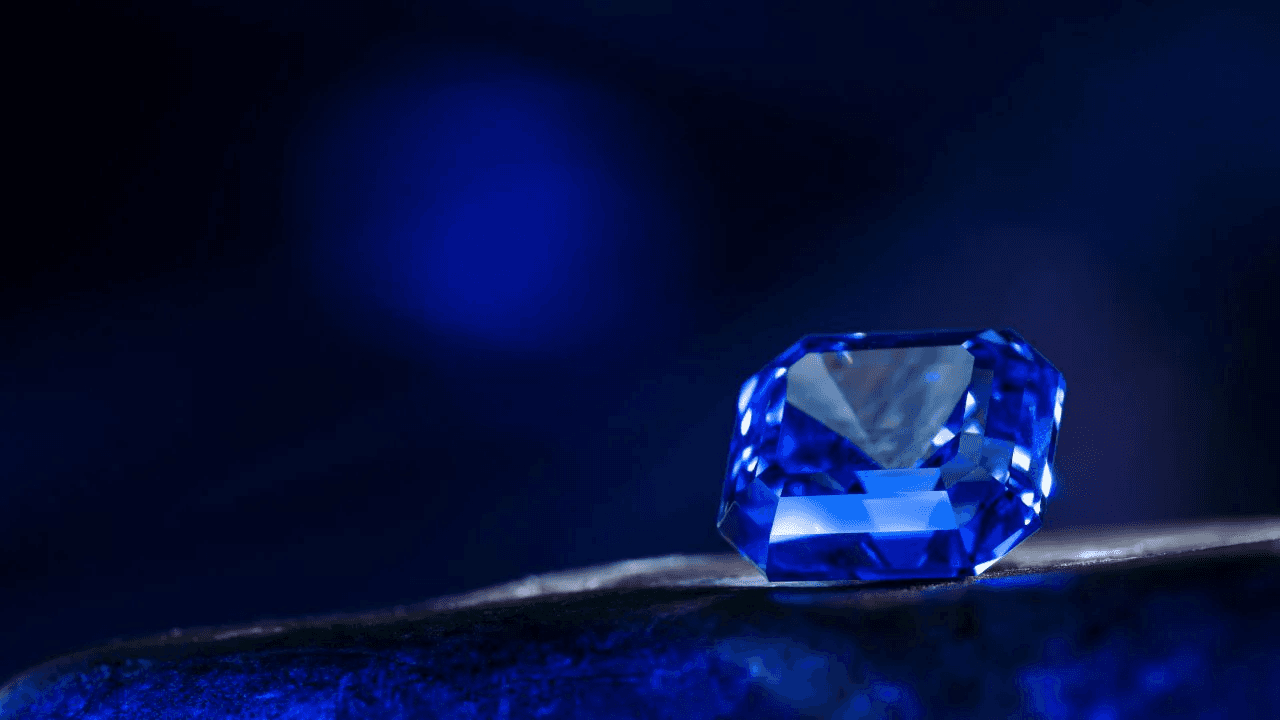
Few gemstones carry the quiet authority of sapphire. Long associated with royalty, wisdom, and devotion, sapphires have marked milestones and adorned crowns for centuries. Beyond their surface beauty lies nuance—rarity, treatment, color, and origin—elements that together define what truly makes a fine sapphire.
This is not a stone chosen lightly. For those who value discernment over display, sapphire rewards understanding.
Why Sapphire Has Endured
What Defines a Sapphire?
Sapphires belong to the corundum family, sharing the same mineral structure as rubies. Their durability places them second only to diamonds, making them uniquely suited to everyday jewelry.
While blue sapphires are the most recognizable, the sapphire family extends far beyond a single hue. Pink, yellow, green, and violet sapphires—as well as the rare padparadscha, prized for its delicate balance of pink and orange—reveal the breadth of expression within this gemstone. Each color tells a different story, shaped by nature rather than design trends.
Heated vs. Unheated Sapphire: Understanding the Difference
Is an Unheated Sapphire Always Better?
Understanding Sapphire Quality: Color, Clarity & Cut
Unlike diamonds, sapphires are not judged by rigid grading formulas. Visual harmony matters more than numbers.
Color is the most important factor. The finest sapphires exhibit vivid saturation without appearing overly dark. In blue sapphires, this balance is often described as rich yet luminous—a color that holds depth even in low light.
Clarity expectations differ significantly from diamonds. Natural inclusions are common and acceptable, provided they do not affect durability or brilliance. In some cases, inclusions can even help gemologists identify a stone’s origin.
Cut plays a vital role in revealing color. A well-cut sapphire enhances saturation and presence, while a poorly cut stone can appear flat regardless of carat weight.
Sapphire Origin: When It Matters—and When It Doesn’t
Sri Lanka (Ceylon): Known for bright, lively blues with excellent transparency
Madagascar: Offers strong saturation across a wide range of colors
Burma (Myanmar): Associated with deep, velvety blues and historical prestige
Choosing a Sapphire for Engagement Rings and Fine Jewelry
Sapphires are increasingly chosen for engagement rings due to their durability and symbolism. However, lifestyle considerations matter.
Those seeking a ring for daily wear may prioritize balance, cut quality, and protective settings. Collectors or buyers commissioning statement pieces may place greater emphasis on rarity, origin, or unheated status.
There is no universal definition of the “best” sapphire—only the most appropriate one for the life it will accompany.
Why Bespoke Matters When Choosing Sapphire
No two sapphires are interchangeable.
A bespoke approach allows the stone to guide the design rather than forcing it into a predetermined setting. Proportions, color tone, and internal structure are considered together, ensuring balance between gemstone and craftsmanship.
This process not only enhances beauty but preserves longevity, creating jewelry that feels intentional, personal, and enduring.
Begin with Understanding
Choosing a sapphire is not about selecting the largest or most saturated stone. It is about understanding rarity, treatment, and how a gemstone will live with its wearer over time.
Book a private consultation to begin with a sapphire selected for its rarity, integrity, and story.